Home Termite Treatment for St. Michael Homeowners
Request your termite estimate
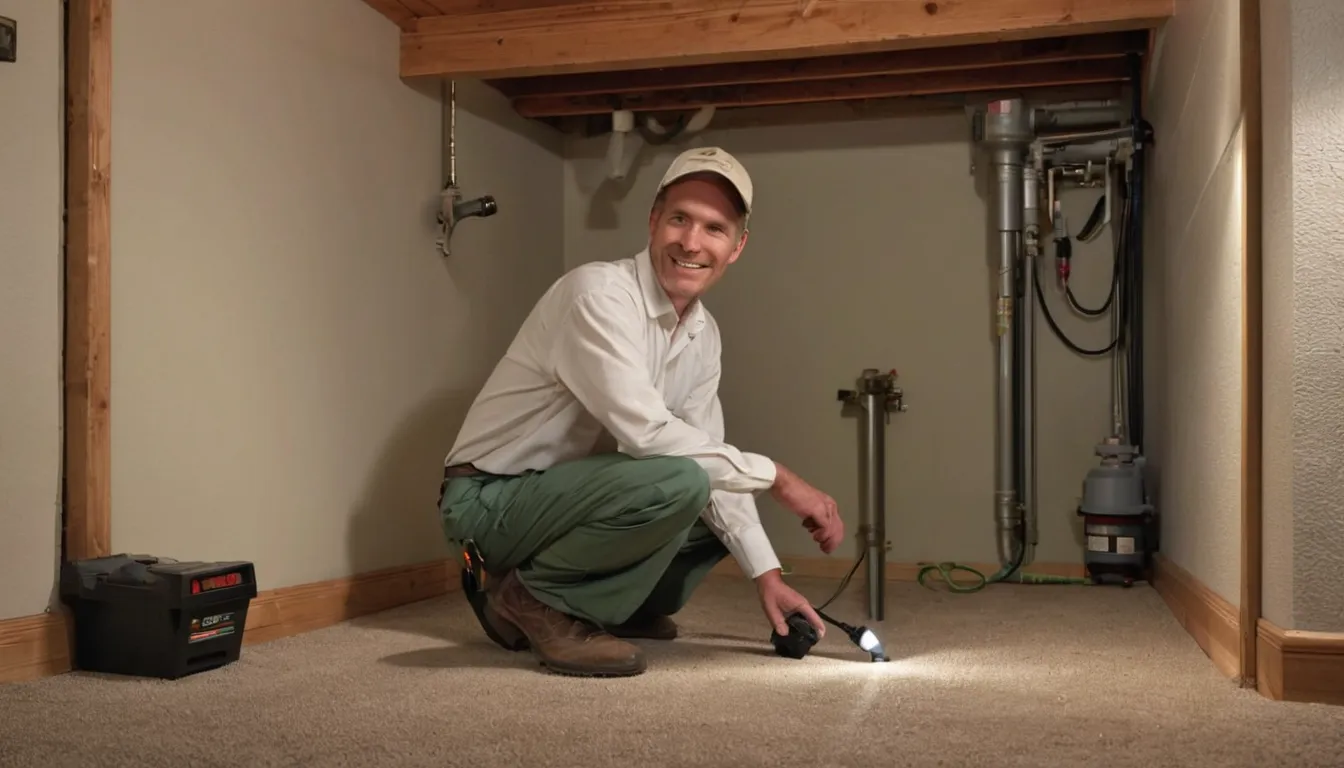
Termites are quiet. They eat wood from the inside, and you may not see them until the damage is well along. If you spotted mud tubes, discarded wings, or soft spots in wood, get it checked.
Musclekeeping Pest Control is a referral service. We refer. They treat. We do not inspect or treat homes ourselves. We connect homeowners in the St. Michael area with independent local providers who do. You send one request, compare what providers offer, and decide at your own pace. Estimate first, no obligation. Treatment type, price, and timing come from the provider you pick, so ask questions and get the plan in writing.
Signs of Termites? Start Here
Found mud tubes, swarming winged insects, or wood that sounds hollow? Get an inspection. Do not wait to see if it goes away. It will not.
Send a request and compare estimates from providers in our network.
Who Does What
Musclekeeping Pest Control is a referral service. We refer. They treat. The providers are independent local businesses. They inspect, quote, and do the work. We do not.
Why Termites Need Prompt Attention
Termites feed on wood from the inside. The surface can look fine while the beam behind it is thin. Damage spreads quietly behind walls, under floors, and in attics.
Older frame houses give them plenty to eat. Hot, humid summers and spring flooding add the moisture they like. Early action usually means a smaller job.
Know the Warning Signs
Look for these:
- Pencil-wide mud tubes on foundation walls or in crawl spaces
- Small piles of shed wings near windows and doors
- Wood that sounds hollow when you tap it
- Paint that bubbles or sags for no clear reason
- Doors and windows that suddenly stick
Outside the House
Check the foundation, porch posts, deck supports, and woodpiles. Mud tubes climbing concrete are a strong clue. So is wood that touches soil.
Inside the House
Check basement sill plates, joists, and window frames. Probe soft spots with a screwdriver. Take photos. Providers find them useful.
Termite or Carpenter Ant?
They look alike to many people. Termites have thick waists and straight antennae. Ants have pinched waists and bent antennae. Not sure? A provider can tell you on site.
Types of Termites
The type decides the plan. Here are the three main groups.
Subterranean Termites
These are the most common. They nest in soil and travel up to wood through mud tubes. Damp basements and foundation cracks help them. Treatment usually works on the soil around your home.
Drywood Termites
These live inside dry wood and need no soil contact. They are more common in warmer regions. Treatment targets the wood itself.
Dampwood Termites
These want wet or rotting wood. Leaks and poor drainage invite them. Fixing the moisture is part of the answer.
How Termite Treatment Works
It starts with an inspection. The provider finds the type, the entry points, and the damage. Then they propose a plan and give you a written quote.
Liquid Barrier Treatment
The provider applies treated product in the soil around the foundation. Termites that cross it are stopped. In homes with slabs, they may drill through concrete to reach the soil.
Bait Systems
Stations go into the ground around the house. Termites carry the bait back to the colony. It works slowly. Many providers check the stations on a set schedule.
Wood Treatment and Fumigation
Spot treatment handles small, local problems. Fumigation covers a whole structure and is mostly used for drywood termites. Ask the provider why they picked their method.
Basements and Sump Pumps
Full basements with sump pumps can hold moisture. Cold winters push frost deep and can crack foundations. Cracks give termites a way in. Tell the provider about leaks, standing water, or past flooding.
Termite Inspections for Home Sales
Buying or selling? Lenders and buyers often ask for a termite inspection report. Book it early. A problem found late can slow a closing.
If the report shows activity, ask the provider for a treatment quote and a written scope. Keep every document. Buyers like paperwork.
Choosing a Termite Provider
Price matters. So does the plan behind it. Look at both.
Compare, Then Decide
Get at least two estimates. Ask each provider:
- Which termite type do you think I have, and why?
- What method do you propose, and what does it cover?
- What is the written scope and the timeline?
- Is there a renewal or monitoring fee later?
- What do you ask of me before and after treatment?
No pressure. Take your time. Estimate first, no obligation.
Prefer to talk first? Request a callback to check provider availability.
After Treatment
Follow the provider's notes. Fix leaks. Keep soil and mulch away from siding. Move firewood off the foundation. Keep gutters clear so water flows away from the house.
Schedule follow-up checks if the plan includes them. Termites can return. Some policies may cover sudden damage, but termite damage is often excluded, so check your policy. Providers can often help document damage for a claim.
What's Included
Inspection Visit
A provider checks the foundation, basement, crawl space, and attic for activity, moisture, and damage.
Written Quote
You get a clear plan with method, scope, and price before any work starts.
Treatment Plan
Barrier, bait, or wood treatment, matched to the termite type and your home's layout.
Follow-Up Checks
Many providers offer scheduled rechecks or monitoring to confirm termites have not returned.
Typical Termite Treatment Costs
Prices vary by home size, termite type, and method. These are typical U.S. ranges only. Always get a written quote from each provider before you agree to anything.
| Service | Typical range | Notes |
|---|---|---|
| Termite inspection | $75 – $350 | Often needed for home sales |
| Spot treatment | $250 – $900 | Small, local problems |
| Liquid barrier treatment | $1,200 – $2,800 | Priced by foundation length |
| Bait system install | $1,500 – $3,500 | Often has a monitoring fee |
| Whole-home fumigation | $2,000 – $8,000 | Mostly for drywood termites |
| Annual renewal or monitoring | $100 – $400 | Ask what it covers |
How It Works
Send Your Request
Tell us what you found and where. Add photos if you have them.
Get Matched
We route your request to independent providers in our network.
Compare Estimates
Review the methods, scope, and written prices. Ask questions.
Choose and Schedule
Pick a provider or walk away. Availability varies by provider.
Why Call Musclekeeping Pest Control
Honest Referral Model
We refer and providers treat. We say it up front, so you know who is doing the work.
Compare Options
Look at estimates side by side. Check methods, scope, and price before choosing anyone.
No Pressure
Requesting an estimate carries no obligation. Decide at your own pace.
Local Providers
Independent providers know area soil, basements, and older homes.
Other Services
Need home termite treatment in St. Michael?
- Independent local providers do the work
- Request an estimate first
- No obligation
- Compare before you choose
Home Termite Treatment FAQ
How do I know if I have termites?
Look for mud tubes on foundation walls, shed wings near windows, hollow-sounding wood, and sticking doors. Any of these is reason enough to book an inspection. A provider can confirm what you have and how far it has spread.
How much does termite treatment cost?
Typical U.S. costs run from a few hundred dollars for spot work to several thousand for barrier, bait, or fumigation. Home size, termite type, and method all change the price. Get written quotes from more than one provider before you decide.
Does homeowners insurance cover termite damage?
Often not. Many policies exclude termite damage, though some may cover sudden damage from other causes. Read your policy or ask your insurer. Providers can often help document damage if you decide to file a claim.
Tell us what happened
Send a request or email contact@musclekeeping.living. Tell us the pest and the problem. We route it to a local provider in our network.
No obligation